Access to technology shouldn’t be a luxury when you’re on Universal Credit. With over 16%…
The 15 Cheapest Pets to Own in the UK in 2026: Complete Cost Guide
The desire for animal companionship doesn’t have to drain your wallet. While dogs and cats can cost thousands of pounds annually, there are plenty of affordable alternatives that offer the joy of pet ownership without the financial strain. From instant pets that require minimal setup to low maintenance companions that thrive with basic care, budget-friendly options exist for every lifestyle and living situation across the UK.
This guide explores the most affordable pets available, breaking down initial costs, ongoing expenses, and essential care requirements. Whether you’re a first-time pet owner, living in a flat, or simply want to keep costs down while gaining a loyal companion, these options prove that meaningful pet ownership is accessible to everyone.
Top 5 Cheapest Pets Under £50
For those seeking the absolute lowest entry point into pet ownership, these five options require minimal initial investment and ongoing maintenance costs that won’t strain any budget.
Sea Monkeys (£6-£12): Instant Pets Requiring Minimal Setup and Care
Sea monkeys represent the ultimate in affordable pet ownership, marketed as instant pets that come to life with simple water addition. These tiny brine shrimp require only a basic kit costing around £6-£12, including growth food and essential supplies. Their care involves occasional feeding and maintaining clean water, making them perfect for children learning responsibility or adults wanting virtually maintenance-free companionship.
The average lifespan of sea monkeys typically ranges from several months to two years with proper care. Their low cost and minimal space requirements make them ideal for flats, student accommodation, or any situation where traditional pets aren’t feasible.
Hermit Crabs (£2-£20): Low-Cost Crustaceans Needing Basic Tank Setup
Hermit crabs offer slightly more interaction than sea monkeys while remaining among the cheapest pets available. Initial purchase costs range from £2-£20 per hermit crab, with basic tank setup requiring approximately £25-£40. These social creatures do best with companions, so budget for multiple crabs to ensure their wellbeing.
Monthly maintenance costs stay minimal, primarily involving fresh vegetables, commercial hermit crab food, and occasional shell upgrades as they grow. A hermit crab can live 5-10 years with proper care, providing long-term companionship at an exceptionally low annual cost. Their fascinating shell-switching behaviour and low maintenance requirements make them excellent pets for busy individuals.
Goldfish (£1-£4): Classic Beginner Pets with Minimal Ongoing Costs
Despite their reputation as simple starter pets, goldfish can provide over a decade of companionship when properly cared for. Initial costs include the fish (£1-£4), a basic tank (£15-£40), and essential equipment. While often kept in bowls, goldfish thrive in properly filtered tanks with adequate space.
These freshwater fish require pellet food costing approximately £40 annually, occasional water treatments, and regular tank maintenance. Their remarkable 20+ year potential lifespan makes goldfish an exceptional value, with annual costs averaging well under £80 after the initial setup.
Betta Fish (£4-£20): Beautiful, Low-Maintenance Aquatic Companions
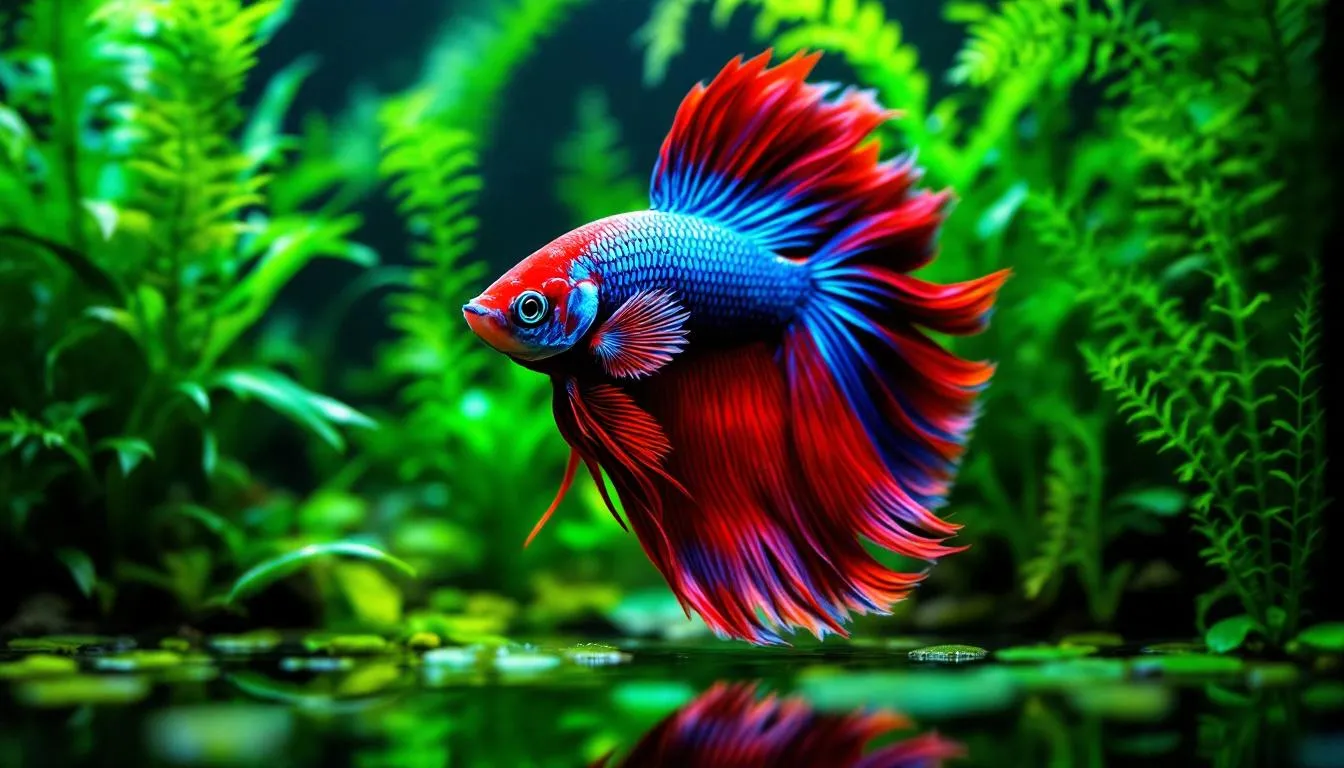
Also known as Siamese fighting fish, betta fish combine stunning appearance with minimal care requirements. A male betta fish costs £4-£20, while basic housing needs include a small tank, a heat pad, and simple filtration system. Unlike goldfish, bettas can thrive in smaller spaces, making them apartment-friendly options.
Monthly food costs remain under £4, with specialised betta pellets providing complete nutrition. These beautiful fish typically live 3-5 years and require minimal daily attention beyond feeding and occasional tank cleaning. Their vibrant colours and flowing fins make them engaging pets despite their low maintenance nature.
Ants (£12-£30): Educational Ant Farms Requiring Virtually No Maintenance
Ant farms provide fascinating glimpses into social animal behaviour while requiring minimal ongoing investment. Complete starter kits cost £12-£30 and include everything needed to maintain a thriving colony. These social animals demonstrate complex behaviours, making them educational pets particularly suitable for children interested in nature.
Maintenance involves occasional feeding with small amounts of food and maintaining proper moisture levels. Ant colonies can persist for months or even years with minimal intervention, making them among the lowest maintenance pets available.
Small Mammals: Affordable Furry Companions
Small mammals offer more interactive experiences than aquatic or invertebrate pets while maintaining affordability. These furry companions provide opportunities for handling, training, and more personal relationships.
Guinea Pigs (£8-£55)
Guinea pigs represent an excellent balance between affordability and companionship among small mammals. Initial purchase costs range from £8-£55, with cage setup and supplies typically under £150. These social animals benefit from companionship, so consider budgeting for pairs to ensure their mental wellbeing.
Monthly guinea pig food costs average £12-£30, including pellet food, hay, and fresh vegetables. Guinea pigs can eat many vegetable scraps, helping reduce food costs while providing varied nutrition. Their 5-7 year lifespan creates a manageable long-term commitment, and their gentle nature makes them excellent pets for families with children.
Unlike other small pets, guinea pigs require much space for proper exercise and enrichment. However, their social nature and interactive personalities often justify the slightly higher costs compared to other small mammals.
Hamsters (£4-£15)
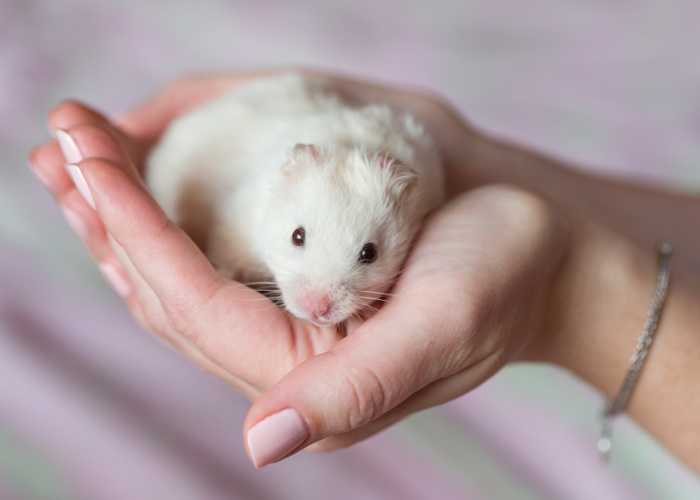
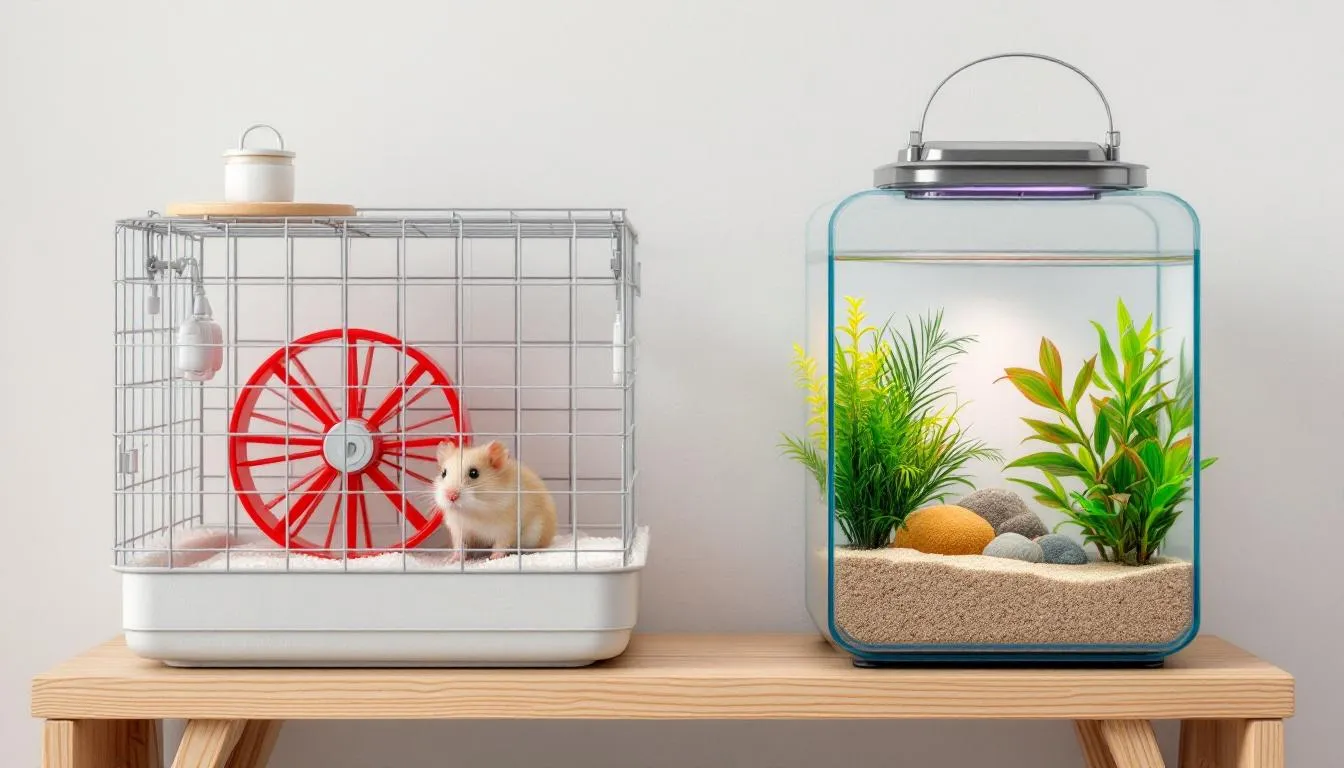
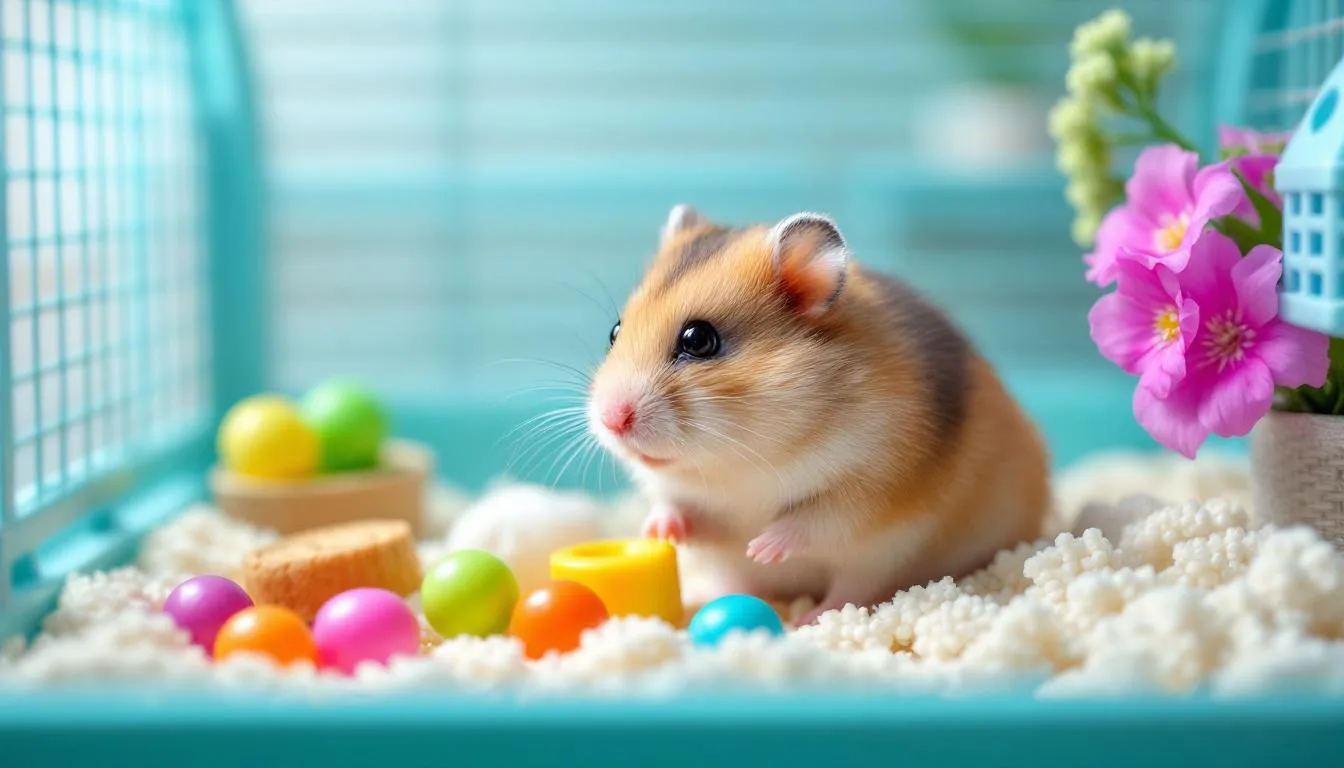
Hamsters remain popular choices among cheap pets due to their small size, minimal space requirements, and low ongoing costs. Initial purchase prices range from £4-£15, with complete cage setups available for £40-£50. Monthly maintenance costs average only £8-£12, covering food, bedding, and occasional toy replacements.
These creatures are ideal for first-time pet owners and children, though their nocturnal nature means most activity occurs during evening hours. The short 2-year average lifespan reduces long-term commitment while allowing families to experience pet ownership without decade-long obligations.
Hamsters require clean cage maintenance weekly and enjoy simple enrichment activities. Their small cost and straightforward care make them excellent introductory pets for teaching responsibility.
Rats (£8-£18)
Often overlooked, rats make exceptional pets combining intelligence, social nature, and affordability. Purchase costs range from £8-£18, with initial supplies including cage and toys totalling around £80. These social creatures require companions for optimal wellbeing, so budget for pairs or small groups.
Monthly maintenance stays reasonable at £12-£20, covering food, bedding, and enrichment items. Rats demonstrate remarkable intelligence, learning names, tricks, and forming strong bonds with owners. Their 2.5-year average lifespan provides meaningful companionship without excessive long-term commitment.
Daily exercise needs can be met with supervised room exploration, requiring minimal additional space beyond their housing. Their interactive nature and problem-solving abilities make them engaging pets for those seeking more relationship depth than typical small mammals provide.
Reptiles and Amphibians: Low-Maintenance Exotic Pets
Reptiles and amphibians offer unique pet ownership experiences with minimal daily maintenance requirements. While initial setup costs may be slightly higher, ongoing expenses remain low, and many species provide years of companionship.
Leopard Geckos (£16-£60)
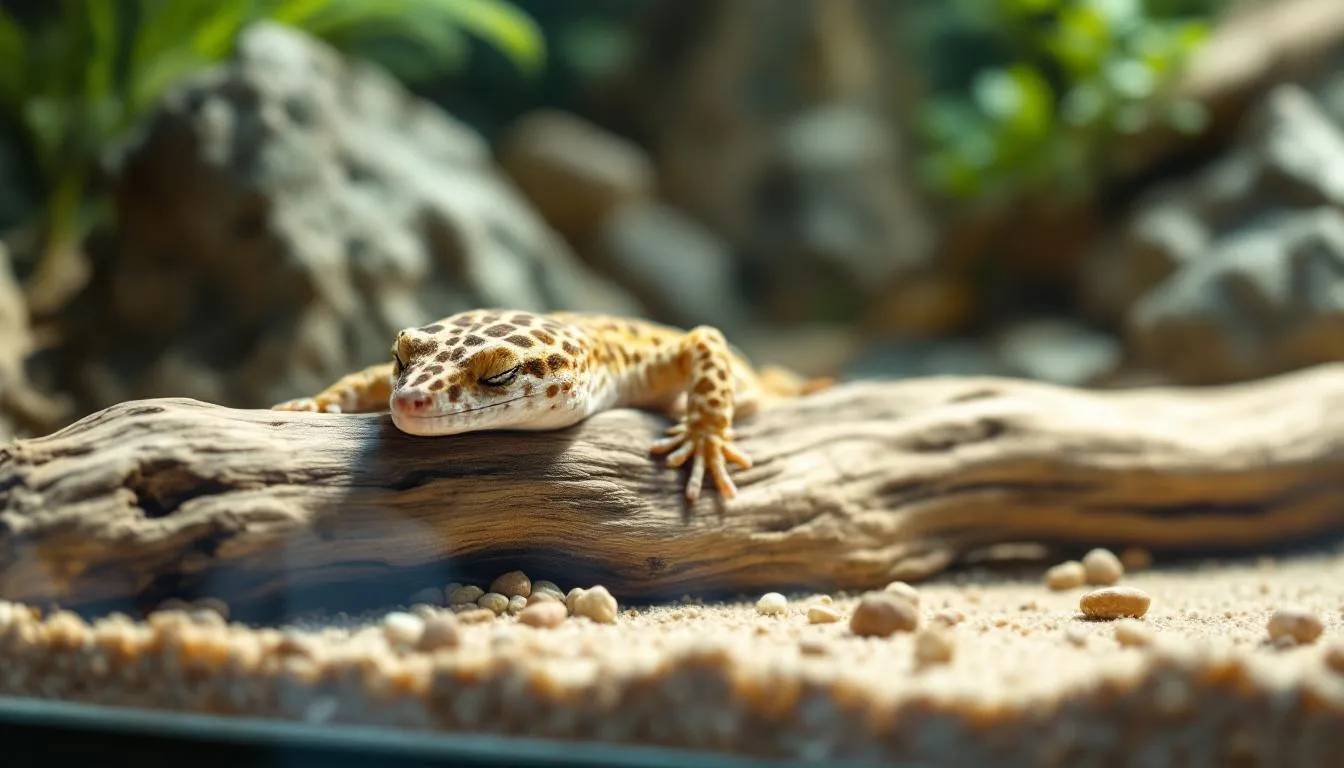
Leopard geckos stand out among reptile options for their docile temperament and straightforward care requirements. Initial purchase costs range from £16-£60, with terrarium setup including heating and lighting typically £80-£150. These beginner-friendly reptiles require minimal space and thrive in properly configured enclosures.
Weekly food costs average £4-£8, primarily consisting of live insects like crickets or mealworms. Adult leopard geckos eat every other day, making feeding schedules manageable for busy owners. With proper care, these reptiles live 10-20 years, providing exceptional value over their extended lifespan.
Temperature regulation requires a heat pad and possibly an incandescent bulb, but ongoing electricity costs remain minimal. Their calm nature allows for handling, while their nocturnal activity patterns suit owners who enjoy evening interaction with their pets.
Dwarf Frogs (£4 Each)
Aquatic dwarf frogs offer unique amphibian companionship at extremely low costs. Individual frogs cost approximately £4 each, and they can share aquarium space with docile fish species, maximising habitat efficiency. Basic aquarium setups suitable for dwarf frogs cost £25-£40.
These small creatures thrive on frozen foods and commercial pellets, with monthly food costs under £8 for small groups. Their 5-year lifespan provides lasting companionship, while their aquatic nature eliminates concerns about escape or complex terrestrial habitat needs.
Dwarf frogs require clean water and basic filtration but otherwise need minimal daily attention. Their underwater antics and unique appearance make them fascinating pets for those interested in aquatic life beyond traditional fish.
Aquatic Pets: Minimal Maintenance Water Companions
Aquatic pets often represent the lowest maintenance option for animal companionship. Once properly established, aquarium ecosystems require minimal daily intervention while providing endless entertainment through observation.
Tank setup costs vary from £15-£80 depending on size and complexity, with larger systems often providing more stable environments requiring less frequent maintenance. Daily food costs remain under 80p for most freshwater fish, making ongoing expenses exceptionally manageable.
Goldfish emerge as particularly hardy options, tolerating various water conditions and living 20+ years with proper care. Their minimal food requirements and ability to thrive in simple setups make them ideal for beginners seeking low maintenance pets.
Betta fish excel in smaller tanks, requiring basic heating but minimal filtration. Their 3-5 year lifespan and stunning appearance provide excellent value, while their territorial nature means single specimens thrive without companionship needs.
Basic aquarium maintenance involves weekly water changes and occasional filter cleaning, typically requiring 15-30 minutes weekly. Modern aquarium equipment simplifies maintenance tasks, making fish keeping accessible even for completely inexperienced pet owners.
Birds: Affordable Feathered Friends
While many bird species require substantial investments, certain options provide avian companionship at reasonable costs. Birds offer unique personalities, vocal abilities, and interactive potential unavailable with other pet categories.
Canaries (£85-£130)
Canaries represent accessible entry into bird ownership, with initial costs ranging from £85-£130 for quality specimens. Their melodic singing provides daily entertainment, while their 8-15 year lifespan creates lasting companionship. Unlike exotic bird species requiring specialised diets and veterinary care, canaries thrive on simple seed mixes and basic care.
Annual food and supply costs average around £90, covering seeds, occasional treats, and cage maintenance items. Canaries require less expensive housing than larger birds, with adequate cages available for £40-£80. Their minimal daily interaction requirements suit owners who prefer observational rather than hands-on pet relationships.
These birds adapt well to various living situations and don’t require the complex social needs of parrot species. Their cheerful songs and bright colours provide daily enjoyment without demanding intensive care routines.
Setup Costs vs. Ongoing Expenses
Understanding the distinction between initial setup investments and recurring monthly costs helps budget-conscious pet owners plan effectively for long-term pet ownership success.
One-Time Setup Costs
Initial investments vary significantly across pet types, with most falling between £40-£150 for complete, proper setups. Tanks and cages represent the largest single expenses, ranging from £15 for basic fish tanks to £150 for elaborate reptile terrariums. Quality housing provides years of use, making this investment worthwhile for long-term pet ownership.
Heating and lighting equipment costs £20-£60 depending on species requirements. Reptiles typically need more complex temperature regulation than fish or small mammals. However, modern equipment operates efficiently, keeping ongoing electricity costs minimal.
Decorations, hiding spots, and enrichment items typically cost £8-£40 initially. Many items can be created DIY-style or purchased second-hand, significantly reducing these expenses. Pet stores often offer starter kits combining essential items at discount prices compared to individual purchases.
Money-saving opportunities exist through charity shops, online marketplaces, and pet owner communities. Used equipment often functions perfectly at fraction of retail costs, allowing budget-conscious owners to provide quality habitats affordably.
Monthly Ongoing Costs
Food represents the primary recurring expense for most pets, ranging from £4-£30 monthly depending on species and size. Smaller pets consistently cost less to feed, with many options requiring under £12 monthly for complete nutrition.
Bedding and substrate costs add £4-£10 monthly for terrestrial pets, while aquatic species require water treatments and occasional substrate replacement. Bulk purchasing often reduces per-unit costs significantly.
Veterinary care budgeting proves challenging to predict but setting aside £8-£15 monthly helps prepare for unexpected health issues. Many cheapest pets rarely require professional veterinary intervention, but emergency funds provide peace of mind.
Regular supply replacements like filters, bulbs, and enrichment items add modest ongoing costs. Planning for these predictable expenses prevents budget surprises and ensures consistent proper care.
Factors to Consider When Choosing Cheap Pets
Selecting appropriate low cost pets requires careful consideration of multiple factors beyond initial purchase price. Successful pet ownership depends on matching pet characteristics with owner lifestyle, living situation, and long-term commitment capacity.
Lifespan commitment varies dramatically among cheapest pets, from several months for sea monkeys to over a decade for goldfish or leopard geckos. Shorter-lived pets may require more frequent replacement, while longer-lived species demand sustained care commitment. Consider your future plans and ability to maintain consistent care over the pet’s entire lifetime.
Space requirements differ significantly between species. Flat dwellers benefit from compact options like betta fish or hermit crabs, while those with more space can accommodate guinea pigs requiring much space for proper exercise. Evaluate your current and anticipated future living situations when selecting pets.
Social needs vary among species, with some requiring companions while others thrive alone. Social animals like guinea pigs and rats need companionship, effectively doubling costs but improving animal welfare. Solitary species like betta fish or leopard geckos eliminate this concern but may provide less interactive experiences.
Activity levels and schedules impact daily care requirements and interaction opportunities. Nocturnal pets like hamsters may suit night-shift workers but disappoint children expecting daytime activity. Consider your schedule and interaction preferences when selecting pet species.
Interaction preferences range from purely observational pets like sea monkeys to highly interactive species like rats. Determine whether you prefer hands-on relationships or appreciate pets primarily for their aesthetic and behavioural interest.
Local pet store availability affects ongoing supply costs and convenience. Ensure specialised foods, equipment, and replacement animals remain accessible in your area. Remote locations may benefit from low maintenance pets requiring fewer specialised supplies.
Money-Saving Tips for Budget Pet Owners
Strategic approaches to pet ownership can significantly reduce costs while maintaining excellent care standards. These practical tips help maximise value and minimise expenses throughout pet ownership.
Adopting from UK shelters instead of purchasing from pet shops often reduces initial costs while supporting animal welfare. Many shelters offer neutered animals with basic veterinary care included, providing better value than pet shop purchases. Research local rescue organisations for your desired species.
Purchasing used tanks and equipment from online marketplaces, charity shops, or pet owner communities offers substantial savings. Quality aquarium equipment lasts years with proper maintenance, making used purchases excellent investments. Always inspect used equipment for damage and clean thoroughly before use.
Buying food in bulk reduces per-unit costs significantly, especially for long-lived pets with predictable dietary needs. Store bulk foods properly to maintain freshness and nutritional value. Consider splitting large purchases with other pet owners to maximise savings.
DIY decorations and enrichment items provide substantial savings while often better meeting pet needs than commercial alternatives. Simple materials like PVC pipes, natural branches, and homemade toys offer enrichment at minimal cost. Research safe materials and construction methods for your specific species.
Joining local pet owner groups provides access to shared resources, advice, and potential supply exchanges. Experienced owners often share valuable tips for reducing costs while improving care quality. Online communities also offer troubleshooting help, potentially avoiding veterinary expenses.
Preventive care helps avoid expensive veterinary emergencies through proper husbandry, nutrition, and environmental management. Regular habitat cleaning, appropriate temperatures, and quality food prevent many health issues. Learning to recognise early illness signs enables prompt, often less expensive intervention.
Establishing relationships with local pet shops may lead to bulk purchase discounts or advance notice of sales. Many shops offer loyalty programmes providing ongoing savings for regular customers. Building these relationships also provides access to expert advice and specialised ordering capabilities.

Conclusion
The world of affordable pet ownership offers numerous options for every lifestyle, budget, and preference. From instant pets requiring virtually no maintenance to interactive small mammals providing years of companionship, the cheapest pets prove that meaningful animal relationships don’t require substantial financial investment.
Success in budget pet ownership depends on realistic cost planning, appropriate species selection, and commitment to proper care regardless of initial expense. While these affordable options minimise financial outlay, they still deserve quality care, appropriate housing, and attention to their specific needs.
Whether you choose the ultra-low maintenance of sea monkeys, the gentle companionship of guinea pigs, or the unique beauty of betta fish, affordable pets can enrich lives and provide meaningful relationships. Thorough research, careful planning, and preparation are key to enjoying the rewards of responsible pet ownership without breaking your budget.
Remember, the cheapest pet isn’t necessarily the one with the lowest purchase price, but rather the one whose total lifetime costs, care requirements, and companionship value align best with your situation. By considering all these factors, you can find the perfect affordable companion for years of enjoyment.

Related Posts